If you would like to be included in the directory, please click here .
Faculty |
Contact Info |
Interests |
Research Description |
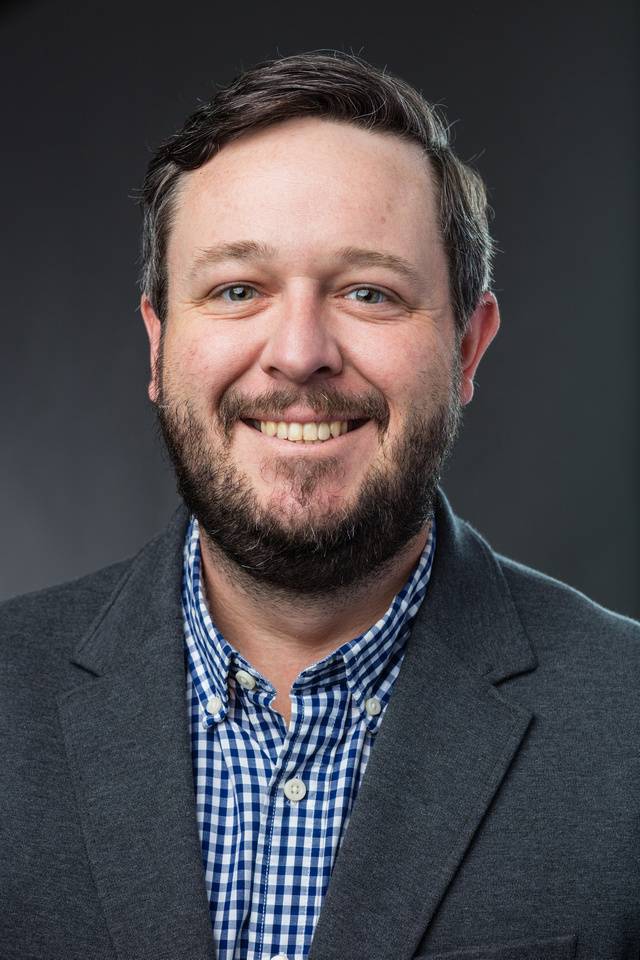
Nathaniel Chapman, |
College: Department: Office: Phone: E-Mail: |
|
Qualitative methods and grounded theory approaches to understanding culture and consumption. My recent publications have been centered around craft beer and the ways in which gender and race intersect in consumption spaces. |
Justin Moss, |
College: Department: Office: Phone: E-Mail: |
|
My research program seeks to identify how fundamental social motivations (e.g., finding a romantic partner) interact with proximate external pressures (e.g., degree of competition) to influence individuals' strategies to find and maintain close relationships. My research is theoretically informed by the intersection of evolutionary psychology, embodiment, and social cognition. My laboratory and online investigations use rigorous cross-disciplinary experimental methods to test predictions about individuals' social motivations and relationship strategies. |
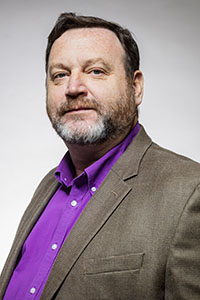
Rodney Roosevelt, |
College: Department: Office: Phone: E-Mail: |
|
Currently we are investigating the effects of social exclusion, genes and social factors impacting risk-taking, the effect of arousal on attention, learning, and memory. |

Alexis Johnson, |
College: Department: Office: Phone: E-Mail: |
|
My research centers on how families and practitioners communicate with and about difficult and traumatic experiences. Specifically, I focus on uncovering better methods of providing social support, facilitating more effective communication, and consider the impact of communicative messages on our physical and mental health in difficult situations surrounding mental health, chronic illness, terminal illness, and end of life conversations. I also focus on marginalized groups in society and ways that we can create a more open dialogue surrounding these issues. |

Virginia (Gini) Jones, |
Department: Office: Phone: E-Mail: |
|
I use a variety of rhetorical approaches (narrative, myth, apologia, Burkean theory) to shed light on why some messages create shared meaning with an audience while other messages only serve to confuse or even alienate audiences. |
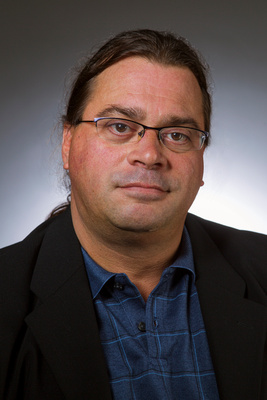
David Blanks, |
College: Department: Office: Phone: E-Mail: |
|
Theory of Big History. European Intellectual History. Medieval and Early Modern European Social History |
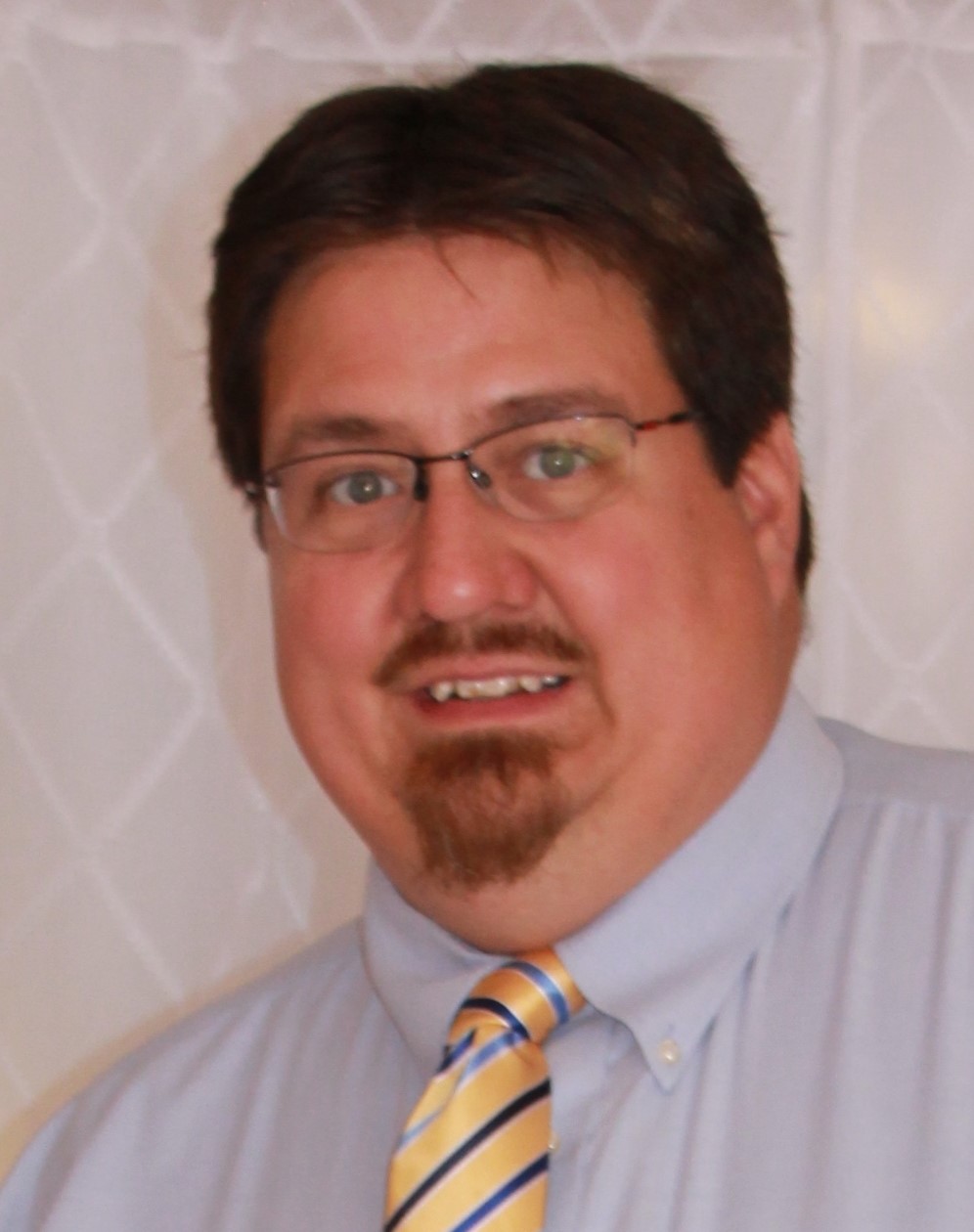
Michael Rogers, |
College: Department: Office: Phone: E-Mail: |
|
Studying the effects of college education on civic knowledge and engagement |
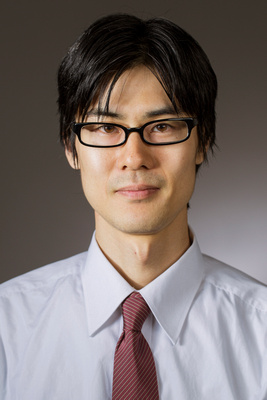
Masanori Kuroki, |
College: Department: Office: Phone: E-Mail: |
|
|
|
Mohamed Ibrahim, |
College: Department: Office: Phone: 2452 E-Mail: |
|
|
|
Matthew Young, |
College: Department: Office: Phone: E-Mail: |
|
I am currently transitioning from previous research fields, and am actively interested in high voltage, energy, bioelectrical, electrochemical, electromagnetic, and quantum engineering. I am open to any kind of research involving electrical engineering, or closely related scientific fields. |
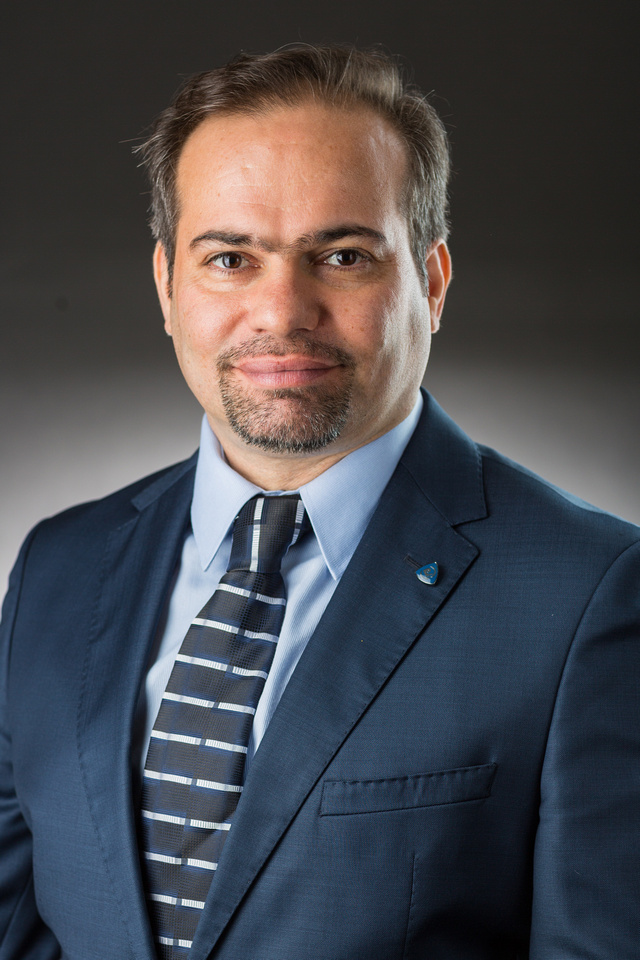
Seyed Ehsan Hosseini, |
College: Department: Office: Phone: E-Mail: |
|
|
|
John Jackson, |
College: Department: Office: Phone: E-Mail: |
|
I have recently been working on two research projects with graduate and undergraduate students conducting habitat surveys and conditional occupancy assessment for Rocky Shiner in Southwest Arkansas. In general, my research interests focus on projects that answer fisheries management questions while training fisheries professionals for state and federal agency employment. |
|
Tom Nupp, |
College: Department: Office: Phone: E-Mail: |
|
Most of my recent research has involved developing management alternatives for the endangered Interior Least Tern that nests on the Arkansas River and a few building rooftops. I am also examining potential interactions between medium-sized predators and the endangered American burying beetle for available prey resources. I have a strong background in GIS and I would enjoy participating in a variety of research projects that incorporate a spatial component. |
|
Bruce Tedford, |
College: Department: Office: Phone: E-Mail: |
|
Determining photoperiodic and hormone rhythm interactions which influence lipogenesis; Identification of avian hormone which most strongly influence avian lipogenesis (hepatic); Releasing odorants known to offgas from carcasses to determine which are the most powerful attractants to Turkey Vultures; Record and establish "normal" BAEPs, VEPs, & ERGs, to be used as clinical references; Measure total fat concentrations in mothers milk and measure salivary lipase levels in suckling mammals to see if a correlation can be established; Determine the feasibility of inducing a lowered body temperature in hummingbirds, with Equithesin (as has been demonstrated in some hibernating species of mammals); Implantation of recording/transmitting thermistors in abdominal air sac and testis to determine cooling effect (if any) of air sac upon internal avian testis; Induce a daily disturbance (air bubbling) in a trout run (six different times of day) to determine effects (if any) upon average growth rates. |
|
Melissa Darnell, |
College: Department: Office: Phone: E-Mail: |
|
How to better use simulation for student success in a health-care setting |
|
Lisa Harless, |
College: Department: Office: Phone: E-Mail: |
|
What are the challenges to teaching a practice profession online and faculty perceptions of online teaching? |
|
Mariusz Gajewski, |
College: Department: Office: Phone: E-Mail: |
|
Development of molecular probes and potential therapeutic agents against neuroinflammation and central nervous system cancer. Development of technologies applicable in water decontamination. |
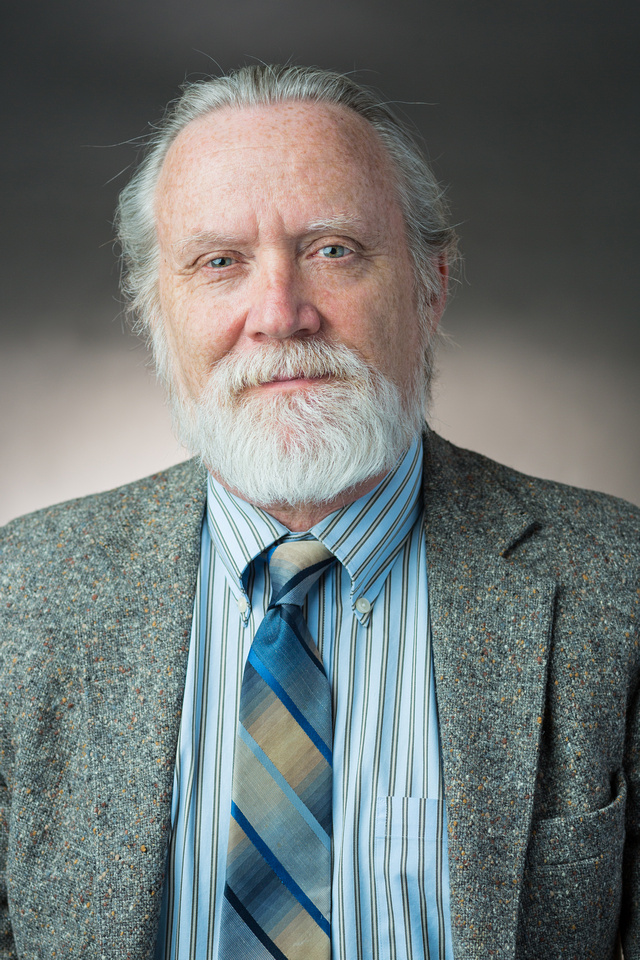
Newt Hilliard, |
College: Department: Office: Phone: E-Mail: |
|
Currently, my lab works on investigations into the energy conservation and metabolic pathways of pathogenic microbes. We use a combination of biotechnology techniques to dissect the role of individual biomolecules in discrete portions of the overall metabolism of the cells. The techniques range from the cloning, expression and characterization of individual proteins/enzymes to 'knockouts' to eliminate individual steps in pathways. |